


Whether you are a vegetarian, an agri-enthusiast, or simply a language learner, getting to know the common warzywa or vegetable names in Polish can help unlock a unique world of cuisines, flavors, and culinary cultures.
In today’s post, we will walk you through the Polish names for the seven major types of vegetables you may come across when sampling dishes from authentic Polish restaurants. If you are ready to learn Polish with us, keep reading below!
Why Learn Polish Vegetables?
Language learning does not have to be boring. Instead of having your head buried in language textbooks or spending countless hours staring at the blackboard during your classes, why not try looking for enjoyable ways to learn? One way to master a language is by focusing on the contexts you are most familiar with. If you are someone who enjoys a gastronomic adventure, we recommend that you try to learn words and expressions related to cooking techniques, dishes, ordering Polish foods, dining, and common ingredients.

In the case of the Polish language, you might have a lot of fun as the country has a versatile range of tasty dishes available at affordable prices. What sets their food apart is that most of it have been influenced by foreign cultures. That’s why you can find local twists on recipes from Greece, Lithuania, and Russia. If you plan to visit Poland soon, you won’t find it hard to count calories as most dishes are considered healthy alternatives and are filled with lots of greens.
Want to impress the servers, locals, and chefs? We advise adding the Polish name of specific vegetables when conversing with them! Let’s get to know more about this topic in the sections below!
The Common Vegetable Names In Polish
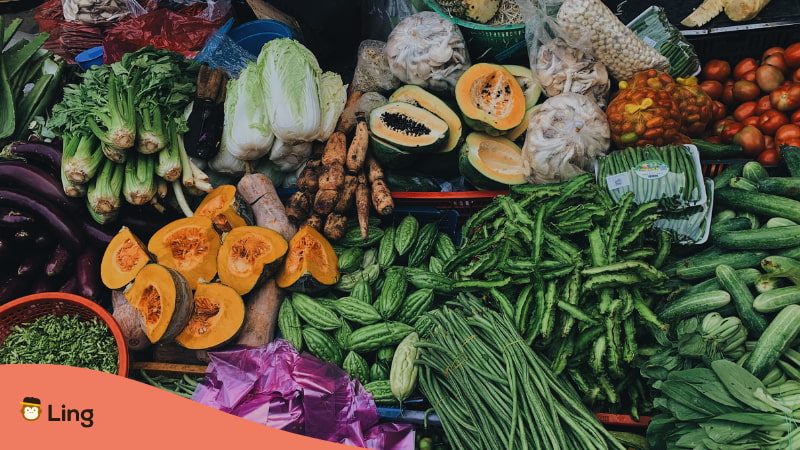
Out of all the ingredients used in Polish cuisine, it is undeniable that the locals love their veggies more than anything. If we are going to look into their top-rated delicacies, dishes like pierogi, gołąbki, barszcz czerwony, and rosół all include vegetables. They have so much love for these nutritious ingredients that there was once a news report released in 2012 showing that the locals eat more vegetables a day than any other European country! Perhaps, this is also the reason why many perceive their diet to be on a healthy level.
The Polish language has a wide range of terminologies for every vegetable worldwide. While you do not need to master all of them, we recommend that you learn at least the translations of the most regularly used ones. To make things easier, we divided the vegetables based on their types.
Root Vegetables In Polish
The types of vegetables under this category include all those edible buried treasures you might find in your garden. Use these vegetable words when you try to construct basic Polish phrases. Take a look at the common translations below.
| English | Polish | Sound |
| Beetroot | burak czerwony | |
| Carrot | marchewka | |
| Cassava | maniok | |
| Celeriac | seler | |
| Celery root | korzeń selera | |
| Ginger | imbir | |
| Horse-radish | chrzan | |
| Kohlrabi | kalarepa | |
| Lotus root | korzeń lotosu | |
| Maca | maca | |
| Parsley root | korzen pietruszki | |
| Parsnip | pasternak | |
| Potatoes | ziemniaki | |
| Radish | rzodkiewka | |
| Rutabaga | brukiew | |
| Sweet potato | słodki ziemniak | |
| Turmeric | kurkuma | |
| Turnip | rzepa | |
| Yam | pochrzyn |
Cruciferous Vegetables In Polish
Cruciferous veggies are among the most popular ones since they are known to prevent several health problems, including cancer. Let’s get to know the direct translations in the table below.
| English | Polish | Sound |
| Arugula | rukola | |
| Bok choy | bok choy | |
| Broccoli | brokuły | |
| Brussels sprouts | brukselki | |
| Cabbage | kapusta | |
| Cauliflower | kalafior | |
| Collard Greens | warzywa kapustne | |
| Kale | jarmuż | |
| Radish | rzodkiewka | |
| Swiss chard | boćwina szwajcarska | |
| Turnip | rzepa | |
| Wasabi | wasabi | |
| Watercress | rukiew wodna |
Leafy Green Vegetables In Polish
Low in calories and high in fiber, leafy green vegetables are a must for health-conscious individuals. Fortunately, Polish cuisine uses many of these, but you can also request the chef to add more by taking note of the translations below. Learn their names in Polish so you can buy them at local Polish markets!
| English | Polish | Sound |
| Amaranth leaves | liście amarantusa | |
| Artichoke | karczoch | |
| Asparagus | szparag | |
| Chives | szczypiorek | |
| Coriander | kolendra | |
| Curry leaves | liście curry | |
| Dill leaves | koperek | |
| Endive | endywia | |
| Fenugreek | kozieradka | |
| Leek | por | |
| Lettuce | sałata | |
| Mint | mięta | |
| Parsley | pietruszka | |
| Peilla | liść perilli | |
| Puslane | portulaka | |
| Rapini | rapini | |
| Romaine lettuce | sałata rzymska | |
| Silverbeet | burak ćwikłowy | |
| Spinach | szpinak | |
| Spring onion | wiosenna cebula | |
| Sweet basil | słodka bazylia | |
| Water spinach | szpinak wodny |
Marrow Vegetables In Polish
This category of vegetables deals with those that have relatively thin skin and bland flavor when eaten on their own. It’s vitamin-packed making it a great choice for those looking for filling yet healthy bites. Below are the translations for the common marrow vegetables in Polish.
| English | Polish | Sound |
| Courgette | cukini | |
| Cucumber | ogórek | |
| Pumpkin/Squash | dynia | |
| Zucchini (Summer Squash) | cukinia |
Fungi And Mushrooms In Polish
When it comes to using fungi and mushrooms when cooking, the possibilities are certainly endless! So if you are looking for cholesterol-free and high-fibre Polish food, you must look for dishes that contain those that we have on the table below.
| English | Polish | Sound |
| Black fungus | czarny grzyb | |
| Button | pieczarka | |
| Enoki | grzyb enoki | |
| Mushroom | grzyby | |
| Oyster | boczniak ostrygowaty | |
| Portobello | grzyb portobello | |
| Shiitake | grzyby shiitake | |
| Truffles | trufle grzyb | |
| White ear | białe ucho |
Allium Vegetables In Polish
Now if you are looking to add more flavor to dishes, it would be great if you could add powerful allium veggies. Get to know more about these in the table below.
| English | Polish | Sound |
| Garlic | czosnek | |
| Onions | cebule | |
| Leeks | pory | |
| Scallions | szalotki | |
| Chives | szczypiorek | |
| Shallots | szalotki |
Fruits You Might Think As Vegetables
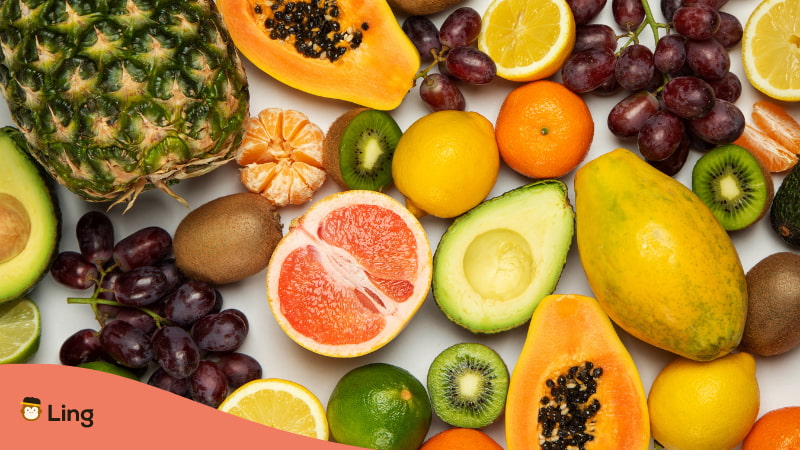
You might think we missed some vegetables like bell peppers or tomatoes on the tables below. However, there are a few fruits which you might confuse with vegetables due to their color.
Discover what these are in the following table:
| English | Polish | Sound |
| Bell pepper/ Capsicum | papryka | |
| Bitter melon | gorzki melon | |
| Chili peppers | papryczka chili | |
| Choko | czoko | |
| Cucumber | ogórek | |
| Eggplant | bakłażan | |
| Okra | piżmian jadalny | |
| Olives | oliwki | |
| String beans | fasolka szparagowa | |
| Tomato | pomidor |
Learning Polish By Yourself
Whether you are following a YouTube tutorial on a Polish dish, reading a recipe book, or simply wanting to order correctly, we hope the words you learned in this post can be helpful to you. If you want to improve your skills further, we also urge you to remember other pertinent expressions like:
- Do you offer halal food? = Czy serwują Państwo jedzenie przygotowane z zachowaniem zasad halal?
- May I see the menu, please? = Czy mogę prosić o kartę (dań)?
- I would like to order ___, please. = Poproszę _____ .
- I would like a refill, please. = Poproszę o dolewkę!
- We would like to pay, please. = Czy możemy prosić o rachunek?
As we end this post, we hope you also discovered a passion for learning vegetable names in Polish and also got the encouragement to learn the Polish language or other foreign languages. If that rings true, feel free to check out our most recommended language learning resource below.

Let Ling Plant The Seeds Of Knowledge Today!
That’s it for the vegetable names in Polish! Polish may be one of the most complicated foreign languages to learn. In fact, total beginners will need 44 weeks of constant studying to talk like a native speaker of this language. However, we know of one hack that will save you time and make your learning process much easier. It’s time that you check out the Ling app!
The Ling app is a fantastic resource for learning Polish and 60+ other languages. Just by creating a free account, you can get instant access to a bunch of high-quality lessons and features guaranteed to push you to learn further. By simply using the app for 10 minutes a day, you can discover new words, nail down grammatical concepts, and take exams to check for understanding of the lesson.
Help your mind grow stronger with Ling’s language lessons. Download it today on the Play Store or the App Store to start learning Polish!