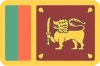


Are you planning a trip to Sri Lanka? Then it’s the perfect time to learn how to say good morning in Sinhala. More than just a greeting, it’s a simple way to show friendliness and connect with locals.
This article will show you how to say good morning in Sinhala and explain when and how to use it during your trip. Starting your day with a local greeting helps you connect with people and adds a warm touch to your travel experience in this island country.
Good Morning In Sinhala
Saying good morning in Sinhala is a great way to start a conversation with locals. Even a small effort like this can open doors, break the ice, and show respect for their traditions. Here are a few useful Sinhala greetings to help you get started.

| English | Sinhala | Transliteration |
|---|---|---|
| Good Morning | සුභ උදෑසනක් වේවා | Subha udǣsanak vēvā |
| Wishing you a good morning | ඔබට සුභ උදෑසනක් වේවා | Obaṭa subha udǣsanak vēvā |
| Wishing you a good day today | ඔබට අද සුභ දවසක් වේවා | Obaṭa ada subha davasak vēvā |
Bonus Tip
If you’re not sure whether to say good morning or good evening, no worries! Just use Ayubowan, it means “may you live long” and works anytime.
People usually say it with their hands together like a little prayer, and it’s a friendly way to greet anyone, anytime.

How Locals Greet Each Other
In Sinhala, saying good morning is a simple way to show respect, kindness, and genuine care when greeting someone.
Are you curious about how people in Sri Lanka greet each other? Do they say good morning every time they meet?
Usually, family members and elders greet each other with a polite Subha Ude or sometimes Ayubowan.
With friends or in casual settings, people might just say hello, nod, or smile without using formal greetings.
In formal or professional situations, phrases like Subha Udɣsanak Vēvā are used to show respect and good manners.
Informal Ways Of Saying Good Morning In Sinhala
Let’s take a look at a few casual ways to say good morning in Sinhala. Even so, here’s a personal tip: starting the day with a polite or formal greeting usually comes across as thoughtful, no matter how well you know someone.
That said, it might not fit every situation, so trust your instincts!
| English | Sinhala | Transliteration |
|---|---|---|
| Hey, morning! | හෙයි, උදෑසනක්! | Hei, Udaesanak! |
| How’s your morning? | ඔබේ උදෑසන කොහොමද? | Obē Udaesana Kohomada? |
| Good morning (short form) | සුභ උදෑසනක් | Subha Udaesanak |

Do You Want To Do More?
Want to go the extra mile on your trip to Sri Lanka? One of the best ways to show genuine respect and friendliness is by speaking a few words in the local language. Even a small effort can go a long way in creating positive, memorable interactions.
Starting your day with a simple greeting like “good morning” or “hello” in Sinhala sets a warm tone, but why stop there? Learning a few more everyday phrases can help you express kindness, show interest in the culture, and make deeper connections with the people you meet.
So instead of sticking to just “good morning,” try adding a few other useful expressions to your morning conversations. Whether you’re greeting a shopkeeper, checking into a guesthouse, or thanking someone for their help, these extra phrases can help make your experience more personal and meaningful.
| English | Sinhala | Transliteration |
|---|---|---|
| How are you? | ඔබට කොහොමද? | Obata Kohomada? |
| Did you sleep well? | හොඳට නිදාගත්තාද? | Hondat nidāgattāda? |
| Have a great day! | සුබ දවසක්! | Suba davasak! |
Tips To Say Good Morning In Sinhala Properly
Here are some helpful tips to say good morning in Sinhala the right way. Following these will make your greeting feel more natural and respectful.
- Make the prayer hands gesture when you greet. It adds warmth and shows respect.
- Don’t worry if your accent isn’t perfect. Confidence matters, and locals appreciate your effort.
- Sinhala pronunciation is melodic. Use apps like Ling to listen to native speakers and practice with the dialogs feature.
- Keep it simple but powerful. Practice saying the greetings out loud!

Frequently Asked Questions When Saying Good Morning In Sinhala
Can I say Good Morning At Any Time Of Day In Sinhala?
Not really. You can just say Ayubowan (ආයුබෝවන්) which is a versatile greeting and suitable for any time of day.
Are There Informal Ways To Say Good Morning In Sinhala?
Yes, with your close circle, you can use casual greetings like Udesana Subhayi (උදෑසන සුභයි), which means "morning is good."
Can I Learn Sinhala With The Ling App?
Of course! The Ling app recently released a Sinhala language course as part of its focus on Asian and Eastern European languages, making it easy for you to learn Sinhala.
Wrapping Up
Did you know that Tamil is the main language spoken in the northern and eastern parts of Sri Lanka, while around 24% of the population speaks English, especially in urban areas and tourist spots?
However, Sinhala remains the most widely spoken language across the country. Making the effort to learn simple phrases like how to say good morning in Sinhala shows respect and curiosity, which locals truly appreciate.
By practicing a few basic greetings and gaining a bit of cultural understanding, you can travel more confidently, connect more easily with the people you meet, and enjoy a richer, more meaningful experience in Sri Lanka.
Learn Sinhala With Ling
Want to make your trip to Sri Lanka more memorable and smooth? Try the Ling app’s gamified lessons. They are fun, interactive, and only take about ten minutes a day to keep your learning streak going.
You will learn Sinhala vocabulary without even realizing it. One of the best features is the speaking game, where you can record your voice, listen to a native speaker, and get feedback to help your pronunciation sound more natural.
Plus, you can set the app to your preferred language, making it easy to follow along.
Give it a try. You will thank yourself later when your trip feels even more memorable!