

India’s Republic Day, celebrated every year on January 26, marks the day the Constitution of India came into effect in 1950. It’s one of the country’s most important national holidays and a moment of pride for Indians across regions, languages, and generations.
For many of us, whether we grew up in India or as part of the global Indian and Punjabi diaspora, Indian Republic Day is tied to familiar sights and sounds: The national parade, patriotic songs, and conversations about freedom, unity, and identity.
For Punjabi speakers and learners, Republic Day is a reminder of how language carries history, values, and belonging. Tools like the Ling app make it easier to stay connected to Indian languages and culture, whether you’re learning Punjabi from scratch, reconnecting with your heritage, or teaching the language to the next generation.

Let’s explore with Ling what makes India’s Republic Day meaningful, how it’s celebrated, and why language continues to be an important part of this national occasion.
Common Punjabi Greetings And Phrases To Use During Indian Republic Day
Learn these vocabulary words and listen to native speakers to pick up proper Punjabi pronunciation. Use them when attending local Republic Day events or celebrations with family. You’ll impress relatives with your expanding language skills!
| English | Punjabi | Transliteration |
|---|---|---|
| Hello (formal greeting) | ਸਤ ਸ੍ਰੀ ਅਕਾਲ | Sata srī akāla |
| Happy Republic Day | ਗਣਤੰਤਰ ਦਿਵਸ ਮੁਬਾਰਕ | Gaṇatatara divasa mubāraka |
| Republic Day greetings! | ਗਣਤੰਤਰ ਦਿਵਸ ਦੀਆਂ ਸ਼ੁਭਕਾਮਨਾਵਾਂ | Gaṇatatara divasa dī’āṁ śubhakāmanāvāṁ |
| Victory to India | ਜੈ ਹਿੰਦ | Jai hida |
| Long live India | ਹਿੰਦੁਸਤਾਨ ਜ਼ਿੰਦਾਬਾਦ | Hidusatāna zidābāda |
| My India is great | ਮੇਰਾ ਭਾਰਤ ਮਹਾਨ | Mērā bhārata mahāna |
Common Punjabi Vocabulary Related To India’s Republic Day
Here are some must-know Punjabi words and phrases to help you celebrate the occasion more authentically.
| English | Punjabi | Transliteration |
|---|---|---|
| Country | ਦੇਸ਼ | Dēśa |
| Freedom | ਆਜ਼ਾਦੀ | Āzādī |
| Republic Day | ਗਣਤੰਤਰ ਦਿਵਸ | Gaṇatatara divasa |
| Constitution | ਸੰਵਿਧਾਨ | Savidhāna |
| Sovereign | ਪ੍ਰਭੂਸੱਤਾ | Prabhūsatā |
| Secular | ਧਰਮ ਨਿਰਪੱਖ | Dharama nirapakha |
| Secularism | ਧਰਮ ਨਿਰਪੱਖਤਾ | Dharama nirapakhatā |
| Democratic | ਲੋਕਤੰਤਰੀ/ ਜਮਹੂਰੀ | Lōkatatarī/ Jamahūrī |
| Democracy | ਲੋਕਤੰਤਰ | Lōkatatara |
| Indian National Flag/ Tricolor | ਤਿਰੰਗਾ | Tiragā |
| Flag | ਝੰਡਾ | Jhaḍā |
| To wave the flag | ਝੰਡਾ ਲਹਿਰਾਉਣਾ | Jhaḍā lahirā’uṇā |
| National Festival/ National Holiday | ਰਾਸ਼ਟਰੀ ਤਿਉਹਾਰ | Rāśaṭarī ti’uhāra |
| Parade | ਜਲੂਸ/ ਪਰੇਡ | Jalūsa/ Parēḍa |
| Traditional parade drums | ਨਗਾਡਾ | Nagāḍā |
| Festive Fair | ਮੇਲਾ | Mēlā |
Traditional Punjabi Practices To Celebrate India’s Republic Day
India’s Republic Day, celebrated annually on January 26, holds deep significance for the country’s 1.4 billion citizens. Marking the adoption of the Indian constitution on January 26, 1950, this national holiday honors the establishment of India as a sovereign republic.
The vibrant celebrations centered in the national capital, New Delhi, showcase India’s rich cultural heritage and military might. The day starts early in the morning with an homage to martyred soldiers and moves on to a scintillating show of the country’s might in science, technology, defense, and social development. The most anticipated aspect is the grand parade performed by contingents from the Indian army, air force, navy, coast guard, and various other paramilitary forces.
But for Punjabis, Republic Day is not just about celebrating India, but also showing pride in the vibrant Punjabi culture. There are many traditions and customs associated with how Punjabi families mark this national holiday. Here are some of the key ways the community celebrates across India and abroad.
1. Watch Republic Day Parades And Hoist The National Flag
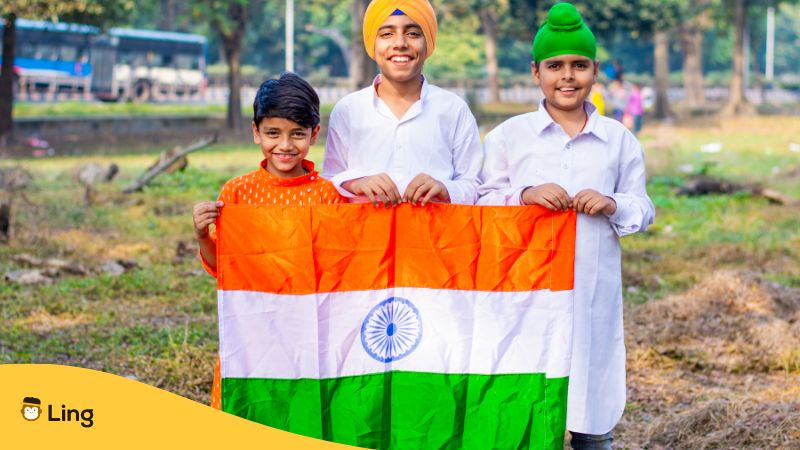
A flag hoisting ceremony is one of the most symbolic Republic Day customs for Indians everywhere. Families across the country wake up early to watch live the Republic Day parade and flag hoisting by the President of the country. Citizens, too, hoist the tricolor (orange, white, and green) outside homes or places of gathering. Elders share stories of what Republic Day was like in their childhoods.
2. Wear Patriotic Colors And Traditional Clothes
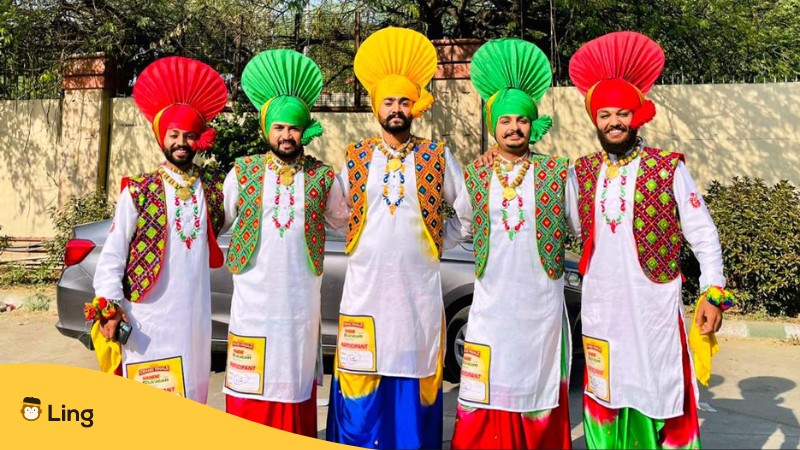
Punjabis dress in saffron, white and green clothing, or India-themed accessories. Traditional Punjabi clothes like salwar kameez, kurta pajamas, anarkalis, and churidar sets dominate Republic Day ensembles. Elders may wear antique jewelry handed down through generations. The idea behind donning outfits in the flag’s colors is to represent courage and sacrifice, growth, purity, and integrity.
3. Participate In Punjabi Dances: Bhangra & Giddha
No Punjabi celebration is complete without music, dance, and lively beats of the dhol (drum)! Performances of traditional dances like Bhangra energize Republic Day crowds. The rhythmic folk dance reminds Punjabis of their community’s strength and joyful spirit. Women also dance in groups to the poetic dance of Giddha.
Some popular patriotic songs that always find a spot on every Punjabi’s RD playlist are Punjabi singer Daler Mehendi’s Range de basanti, and Mera rang de basanti chola – two heart-thumping, foot-tapping evergreen hits.
4. Prepare Special Punjabi Foods
Food is central to every Indian festival, and Republic Day is no exception for Punjabis. Families cook a feast of traditional Punjabi dishes to enjoy together. Popular options include dal makhani, sarson da saag, aloo gobi, stuffed kulchas, tandoori chicken, shami kebabs, biryani, and lassi. Sweets like laddoo, jalebi, gulab jamun, and ras malai are must-haves.
5. Share Sweets And Stories In Punjabi
Exchanging sweets or mithai is customary on auspicious occasions like Republic Day. Families gift each other treats like laddoo, barfi, halwa, and kheer. As the generations socialize, elders reminisce about Republic Day memories in India or their early immigrant experiences. They pass down cultural knowledge and language.
By taking part in these long-held traditions, Punjabis everywhere infuse Republic Day with community spirit, cultural pride, and connection to roots.
5 Tips For Beginner Level Punjabi Learners: How To Celebrate Republic Day
Republic Day celebrations are the perfect opportunity to immerse yourself in the Punjabi language. Here are 5 tips to help you learn from your interactions with Punjabi relatives and friends:
- Ask elders to teach you Punjabi vocabulary: You can request your family elders or grandparents to teach you common Republic Day phrases like Jai Hind! Have them write the words down phonetically so that you can pronounce them perfectly.
- Learn the names Of Punjabi traditional foods and clothes: Ask what each dish on the feast menu is called and how to say you enjoy it. Moreover, point to family members’ outfits and ask what each item is called. Learn the names of fabrics, cuts, and accessories.
- Explore Punjabi songs with patriotic fervor: Music is a huge part of Indian culture, and Punjab is known for its traditional folk music and dances. Learn some foot-tapping Punjabi songs laden with patriotic fervor, and try to understand the lyrics and the emotions they evoke. You can ask for help from your Punjabi family and friends in this activity.
- Learn cultural terms in Punjabi: Ask what customs like hoisting the flag are called. Learn the names of Punjabi freedom fighters and important independence movement leaders. This way, you’ll be more deeply connected to your roots. Learn about Shaheed Sardar Bhagat Singh – the epitome of Punjabi bravado – who laid down his life for his motherland at the young age of 23!
- Request a Punjabi language lesson: You can ask your elders if, after the flag ceremony and feast, they could hold a mini-language session. Make it a fun family affair! Have them teach you simple Punjabi greetings, introductions, and phrases to use. Jot down what you learn phonetically. What more? You could complement the session by downloading the Ling app, which comes with a nifty AI chatbot to practice conversing on the fly!
FAQs About India’s Republic Day
Why Is Republic Day Celebrated In India?
Republic Day is celebrated in India to mark the day the Constitution of India came into force on 26 January 1950. It signifies India becoming a sovereign, democratic republic, where citizens are governed by constitutional laws rather than colonial rule.
What Happened On 26 January 1950 In India?
On 26 January 1950, India officially adopted its Constitution, replacing the Government of India Act (1935). This day marked India’s transition from a British Dominion to a republic, with Dr. Rajendra Prasad becoming the country’s first President.
What Is The Difference Between 15 August And 26 January?
15 August marks India’s Independence from British rule in 1947, focusing on freedom from colonial power. 26 January celebrates the adoption of the Constitution in 1950, highlighting India’s democratic framework, governance, and the rights and duties of its citizens.
Master Punjabi Easily With Ling!
Important national holidays like Republic Day and Independence Day are great reminders of how language connects us to culture, history, and identity. This Republic Day, embrace your family’s mother tongue with an open heart. Let this shared heritage connect you deeper to your roots.
If you’re curious to learn or reconnect with Indian languages like Punjabi, Hindi, or other regional languages, the Ling app makes it easy to start at your own pace. With short lessons and real-life phrases, it’s designed for beginners, heritage learners, and travelers alike.
Try Ling and take one small step closer to the language and culture you want to connect with. Oh, and here’s a handy Punjabi phrase for you: Gaṇatāntara divasa dī’āṁ śubhakāmanāvāṁ! It means “Happy Republic Day!”