

Curious about the Burmese culture and the regions of Myanmar? Burmese culture and traditions are a treasure trove of ancient customs mixed with colonial impressions in the most extraordinary ways, reflecting the country’s rich cultural heritage. From the moment you say Mingalaba (hello), you’ll discover a land where Buddhist monks walk serenely through bustling urban areas and local markets overflow with exotic spices and colorful textiles.
In this comprehensive guide, we’ll explore everything from mouth-watering Burmese cuisine to vibrant festivals, traditional arts, and the diverse ethnic groups that call Myanmar home. Whether you’re planning a visit or simply want to expand your cultural horizons, you’re about to discover why Myanmar’s rich cultural tapestry continues to captivate people worldwide.
Table Of Contents
Introduction To Myanmar Culture
Myanmar, a country with a rich history spanning thousands of years, offers a fascinating blend of traditions and modernity. Burmese culture and traditions have been heavily influenced by various factors, from Theravada Buddhism to British colonial rule, shaping a unique cultural identity.

In urban areas and remote villages alike, Myanmar people maintain their cultural heritage while adapting to contemporary life. What makes this culture particularly remarkable is how local people have preserved their traditions despite rapid modernization.
Ethnic Groups And Ethnic Minorities In Myanmar
Cultural diversity in Myanmar creates a vibrant cultural mosaic. Beyond the majority Bamar population, numerous minority groups contribute to the nation’s cultural richness. From the Shan people near Inle Lake to the Karen communities in the hills, each group brings unique traditions to the collective identity. Ethnic minorities maintain their distinctive customs, languages, and artistic expressions, making Myanmar’s cultural landscape extraordinarily diverse.
Traditional Burmese Clothing And Adornment
The way Burmese people dress reflects their cultural values and practical adaptations to the climate. In both urban areas and villages, you’ll see men and women wearing the traditional longyi, particularly during ceremonies where young males don formal attire. What’s fascinating is how these traditional garments have evolved while maintaining their cultural significance, especially in religious sites where modest dress is respectful and expected.
Burmese Cuisine And Food Culture
Myanmar’s culinary traditions center around steamed rice served in homes and restaurants alike. Local people often drink tea throughout the day, a habit dating back to British colonial times. Traditional Burmese meals are often served in a silver bowl, showcasing the attention to presentation in Burmese dining customs. The cuisine is especially vibrant during festivals, when families prepare elaborate feasts that bring communities together.
Festivals And Celebrations In Myanmar
Cultural festivals, such as the water festival occurring in mid April of the Burmese calendar, transform cities and villages into joyous celebrations. This event perfectly demonstrates how Burmese culture embraces both spiritual meaning and energetic movements in its festivities. The local people’s enthusiasm during these celebrations shows how deeply cultural traditions are embedded in daily life.
Traditional Burmese Arts And Entertainment
Entertainment in Myanmar features energetic movements in traditional dance performances, which are vibrant cultural expressions telling stories that have been passed down through generations. Young people continue to learn these art forms, ensuring their preservation for future generations. The influence of British colonial heritage can be seen in some modern adaptations, creating an interesting fusion of old and new expressions. Many Burmese movies are a testament to this.
Burmese Architecture And Design
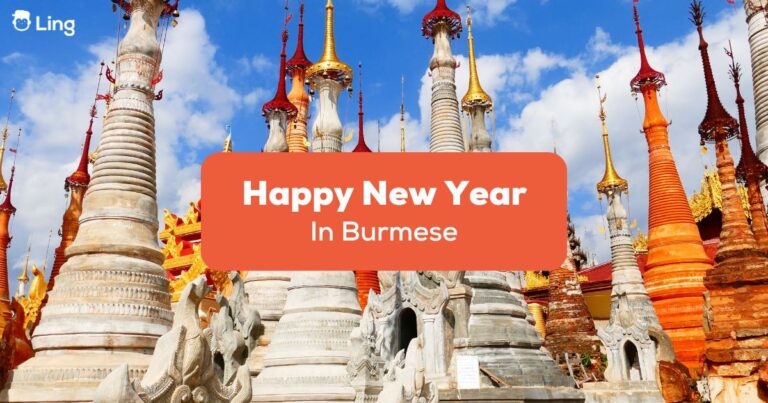
From ancient temples to buildings from the British colonial period, Myanmar’s architectural heritage tells the story of its rich history. Religious sites dot the landscape, with Buddhist monks maintaining these sacred spaces. The architectural style has been heavily influenced by various cultures while maintaining its distinct Burmese character.
Daily Life And Social Etiquette
In both urban areas and villages, Myanmar people follow traditional social customs that govern daily interactions. If you travel to Myanmar, you’ll find that Buddhist monks play a central role in community life, and local people regularly seek their guidance. Young people, while embracing modern influences, continue to respect these cultural norms.
Education And Community In Myanmar
Education systems blend traditional knowledge with modern learning, particularly important for ethnic minorities who maintain their own languages alongside national education. Young males traditionally spent time in monasteries learning from Buddhist monks, a practice that continues in some areas today.
Spirituality And Religion In Myanmar
Spiritual traditions fundamentally shape Burmese culture, with Buddhist monks serving as spiritual leaders and community advisors. Religious sites are not just places of worship but centers of cultural preservation where local people gather regularly. This spiritual foundation has been heavily influenced by centuries of tradition while adapting to contemporary needs.
Traditional Medicine And Wellness
Traditional medicine and wellness are integral to Myanmar culture, reflecting a deep connection to Buddhist and Ayurvedic practices. These ancient traditions emphasize balance and harmony within the body, a philosophy that resonates across many ethnic groups in Myanmar, including the Burmese, Shan, and Karen.
During the vibrant Thingyan festival, it is common for people to seek blessings and treatments from Buddhist monks and traditional healers. Buddhist monks, revered for their spiritual wisdom, are believed to possess healing powers that can address both physical and mental ailments. Traditional healers, on the other hand, employ a rich array of herbal remedies, acupuncture, and spiritual rituals, drawing on knowledge passed down through generations.
Wellness in Myanmar extends beyond medicine to daily lifestyle choices. Many Burmese traditionally eat a diet abundant in fruits, vegetables, and whole grains, which is believed to promote overall health and well-being. This dietary practice is a testament to the cultural emphasis on natural and wholesome living. Additionally, yoga and meditation are widely practiced, particularly among Buddhist monks and laypeople, fostering a sense of inner peace and physical vitality.
Preserving Myanmar’s Cultural Heritage
The challenge of cultural preservation in Burmese culture and traditions while embracing development is particularly evident in urban areas. Young people play a crucial role in maintaining cultural practices while adapting them for modern times. From Inle Lake to bustling cities, communities work to protect their rich history while moving forward.
Challenges And Opportunities For Myanmar Culture
Myanmar culture stands at a crossroads, facing both significant challenges and promising opportunities. One of the foremost challenges is preserving traditional practices amidst the rapid tide of globalization and urbanization. Younger generations, increasingly exposed to Western culture and values, may find themselves drifting away from age-old customs and traditions.
Ethnic relations present another complex challenge. Myanmar is a tapestry of many ethnic groups, including the Burmese, Shan, Karen, and Rohingya. However, the Burmese government has faced criticism for its treatment of minority groups, particularly the Rohingya, who have suffered from ethnic cleansing and persecution. This issue underscores the need for a more inclusive approach to ethnic relations, ensuring that all communities can coexist peacefully and with mutual respect.
Despite these challenges, there are numerous opportunities for Myanmar culture to flourish. The country’s rich cultural heritage, showcased in its numerous Buddhist temples, monasteries, and vibrant cultural festivals, continues to attract tourists and foster cultural exchange. The arts scene in Myanmar is also thriving, with a burgeoning community of writers, artists, and musicians contributing to the nation’s cultural landscape.
In recent years, there has been a growing global interest in Myanmar culture. Burmese holidays like Thingyan have become popular among tourists, offering a unique glimpse into the country’s traditions and way of life. This increased attention provides a platform for cultural preservation and promotion.
Aung San Suu Kyi, the Nobel laureate and former State Counsellor of Myanmar, has played a pivotal role in advocating for the preservation of Myanmar’s cultural heritage. Her efforts have raised awareness about the importance of cultural preservation, particularly among the younger generation, encouraging them to take pride in their cultural identity.
How Do You Say Culture And Tradition In Burmese?
In Burmese, “culture” is yin-kyay-mhu (ယဉ်ကျေးမှု) and “tradition“ is a-sin-a-la (အစဉ်အလာ).
FAQs About Burmese Culture And Traditions
What Is The Culture Of Burmese?
Burmese culture is deeply rooted in Buddhism, evident in their daily rituals and festivals. Traditional customs emphasize respect, modesty, and generosity. Arts, including dance, music, and crafts, play a significant role. The culture also reflects influences from neighboring countries like India, China, and Thailand.
What Are The Burmese Known For?
The Burmese are known for their warm hospitality, serene demeanor, and strong spiritual devotion. Their stunning temples, intricate handwoven textiles, and traditional cuisine, such as mohinga and tea leaf salad, highlight their rich heritage. The iconic Shwedagon Pagoda symbolizes their cultural pride.
What Are The Unique Qualities Of Burmese People?
Burmese people are known for their kindness, humility, and resilience. They practice a unique custom called ah-nar, signifying considerate and selfless behavior. Their simple lifestyle and deep spiritual connection foster a harmonious and content outlook on life, even in challenging circumstances.
What Are The Beliefs Of Burma?
Buddhism, particularly Theravāda Buddhism, is the core belief system in Burma, shaping daily life and moral values. Many also observe animist traditions, including the worship of nats (spirits). Respect for karma, meditation, and community-focused rituals reflect their spiritual and philosophical beliefs.
Roundup Of Burmese Culture And Traditions
The beauty of Myanmar’s cultural heritage lies in its ability to blend ancient traditions with contemporary life. Whether it’s enjoying a cup of tea in a silver bowl, watching energetic movements in traditional dance, or visiting religious sites, every experience reflects the depth and vibrancy of Burmese culture and traditions. As the country continues to develop, the enduring strength of its cultural traditions ensures that Myanmar’s unique identity will continue to thrive.
Traditional cultural practices, from the water festival to daily rituals, demonstrate how Myanmar people maintain their heritage while embracing change. This dynamic balance between preservation and adaptation ensures that Burmese culture and traditions will continue to enchant and inspire future generations.