

Tired of just learning how to greet Merry Christmas in Tagalog? Drop everything, folks, because the grandest and most anticipated Misa de Gallo (dawn mass) or Simbang Gabi in the Philippines is soon!
Yup, even before the sparkling parols and mouthwatering feast of noche buena, every devout Pinoy knows it’s time to rally the clans for this special 9-day event!
But, uh, what actually goes down at these crack-of-dawn masses? Is it just about securing front-row views of the manger scene? Find out in this post!

What Is Simbang Gabi In The Philippines?
The term Simbang Gabi literally means “night mass,” stemming from its traditional roots of occurring past sunset. Nowadays, these special Advent masses happen before dawn due to more modern schedules.
Gabi refers to the evening hour, while Simba means “worship” or “church service”, derived from the Spanish misa.
While most Catholic masses and sacraments occur on Sundays or saints’ days, Simbang Gabi holds a particular purpose around Christmas. It begins December 16th and lasts over 9 consecutive days leading up to December 24th – Christmas Eve.
During the novena masses, churchgoers gather to pray, sing, and reflect while commemorating the journey of pregnant Mary and Joseph to Bethlehem before Jesus’ Nativity.
Readings tell biblical stories interwoven with common Filipino holiday traditions. Homilies link scripture significance to modern issues faced in the islands, from poverty to natural disasters that the faithful must continually overcome.
Beyond religious rituals, Simbang Gabi carries cultural meaning for Filipinos as the joyful kickoff to Christmas.
It harnesses hopes for an abundant new year ahead filled with grace and glad tidings. Preserving this treasured practice spanning generations makes Pinoys from Manila to Mindanao feel intimately united during the ‘ber’ months’ most wonderful time.
While early risings can prove challenging, most devoted attendees agree that pre-dawn reflections make Christmastime feel truly meaningful again. That and, of course, the treats awaiting afterward!
At What Times Do Simbang Gabi Masses Start?
Given the unique predawn timing, a common question newcomers ask is exactly when these Simbang Gabi masses commence.
The majority of parishes celebrate their first Simbang Gabi mass between 4:00 and 5:00 AM. Rural areas sometimes go later, around 5:30 AM, since farming folk rise earlier.
But city slickers still stagger half awake into beautifully candlelit sanctuaries before most roosters wake.
Assuming you survive hustling the entire household out the door into the crisp Christmas air, you’ll feel a rush noticing the packed pews and overflow crowds. There’s comfort in knowing much of this Catholic country also braved body-shaking alarms to kick off Christmas as one.
For those unable to rise in those early morning hours, you’re in luck! Most parishes also celebrate an anticipated Simbang Gabi mass the evening beforehand, usually starting between 6:00 and 7:00 pm. So there’s no need to miss out just because 4:00 am makes your soul weep.
Why Are There 9 Simbang Gabi Masses?
You see, according to scripture, the Virgin Mother miraculously became pregnant by the Holy Spirit in March before giving birth 9 months later in December. Thus, the 9 Simbang Gabi gatherings represent each month of Mary carrying baby Jesus in anticipation of his holy birth.
During nightly readings, the clergy recounts milestone moments in Mary and Joseph’s journey towards Bethlehem, like the Annunciation, when she first learns the news from the Angel Gabriel.
Other passages chronicle the Visitation, great journeys over land and sea, and rejection at doors until finally finding sanctuary in a manger.
These key stories set the stage for Christ’s coming on December 25th – Christmas Day. So just like expectant parents preparing a nursery, Filipino Catholics use the 9 Simbang Gabi masses to ready their hearts and community to receive the newborn Jesus.
Hymns, rituals, and reflections all aim to honor the blessed pregnancy till its culmination during the glorious celebration of the Nativity.
Beyond the representational meaning, stretching Simbang over 9 days allows working families flexibility to attend together even if they miss an evening here and there.
Some even joke that the extra night cushion provides more chances to check off their Christmas bucket list goals, too! But most hold deeper reverence for how the novena numbering mirrors Jesus’s incubation period before emerging as Emmanuel – God with us.
Do You Have To Attend Nine Evening Masses Consecutively?
The quick answer is – no! You do not have to attend all nine Simbang Gabi masses in a row to gain blessings or satisfy the tradition.
Many devout Filipino Catholics aim to complete the full novena over 9 days to commemorate Mary’s pregnancy journey before Jesus’ birth. But even attending just one mass grants you participation in this beautiful cultural and spiritual tradition.
Given busy modern holiday schedules, families often divide and conquer mass nights between parents, kids, and grandparents over the week and a half leading up to Christmas in the Philippines. Even missing a few evenings along the way won’t diminish the meaning gathered from those you make it to.
The most important thing is setting the intention to take part in Simbang Gabi and invite the Lord’s grace into your Christmas preparations and the year ahead.
You’ll still get to soak in the signature processions, familiar hymns, and fellowship of the faithful that have made Simbang Gabi such a unifying Pinoy holiday centerpiece for centuries now.
What Is The Dress Code For Simbang Gabi Masses?
Given the ungodly early hours, some joke it’s perfectly acceptable to wear pambahay clothes or even pajama pants paired with a hoodie until you shake off sleepy dust! But wandering aunties will still remind young ones to show a hint of propriety, as this remains a sacred worship space.
Thus, you’ll spot a fabulous mix of teens in designer jeans to folks donning traditional Filipino clothes like barongs or dusters woven in vibrant indigenous textiles. Others flaunt delicate veils or embroidered gowns bearing heirloom rosaries from generations past.
Candle bearers and ceremonial participants usually step it up in ironed whites or striking red ensembles. But even simple sweaters festooned with reindeer join fashion show formations for all ages, marching down aisles during joyous processions.
The overall Simbang Gabi dress atmosphere stays relaxed versus stiff, allowing Pinoys to layer cultural flavor into holy proceedings through beloved heirlooms, heritage fabrics, and Christmas color pops.
Just avoid anything too tattered, too short, or bearing political slogans, and you’ll blend right in formation!
What Food Is Traditionally Eaten After Simbang Gabi Masses?
Anyone attending these early morning masses can count on emerging to tables lined with tantalizing traditional Filipino snacks outside churches! For Pinoys, no spiritual pilgrimage feels complete without partaking in delicious homestyle comfort fare with the community after the final hymn concludes.
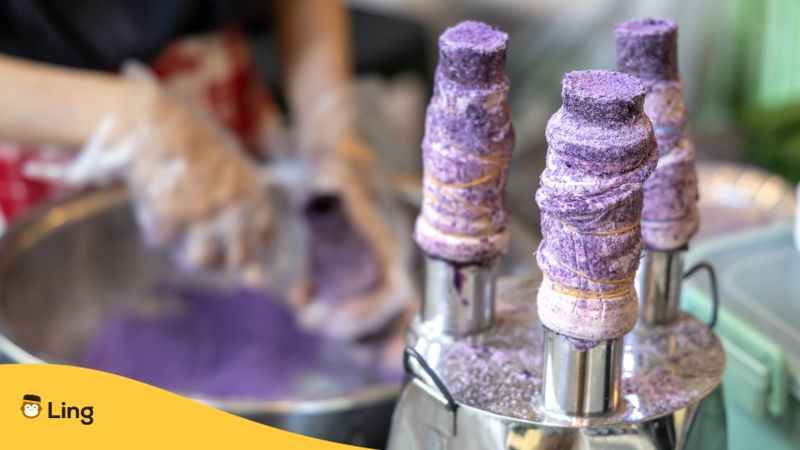
Stacks of bibingka lead hungry lines. These are fluffy, almost-neon rice cakes baked in banana leaf wraps, then topped with melting slabs of butter plus salty shreds of salted eggs and kesong puti (a type of cheese). Next to them, you’ll spot gooey purple puto bumbong made of special heirloom rice steamed in bamboo tubes for Christmas enjoyment.
Warm cups of rich coffee, hot cocoa, and native tsokolate champorado ensure you stay toasty as pastillas sugar candies melt in your mouth.
Savory finds also make cameos from steamy meat or egg pie pandesals, perfect for dipping into thick coconut jams. Don’t pass up kalamay sticky rice desserts wrapped in banana leaves, too!
Can Non-Catholics Attend Simbang Gabi?
Absolutely! While Simbang Gabi does follow Catholic mass structure and theology, these masses remain open to the general public regardless of one’s personal faith or religious affiliation.
The vibrant cultural traditions interwoven into the services also make them welcoming spaces for curious observers or non-Catholics respectfully attending to support loved ones.
Anyone can witness and appreciate the artistic processions, aspirational chanting blending Tagalog and Latin roots, plus sampling signature holiday cuisine popular across all Filipino communities.
So if you have non-Catholic friends or family visiting the Philippines this Christmas season, encourage them to experience Simbang Gabi’s unique holiday atmosphere firsthand.
The doors of churches across the archipelago remain open for all who come in peace – cathedral-goers and newcomers alike – to bask in the nostalgia, pageantry, and community bonding that make Simbang Gabi celebrations profoundly Pinoy.
Simbang Gabi Cheat Sheet: Key Tagalog Vocabulary To Know
If you want to sound a bit more in-the-know during the season, you need to pick up some of the local lingo. Here’s a quick list of words you’ll definitely hear during Simbang Gabi.
| English | Tagalog | Pronunciation |
|---|---|---|
| Dawn Mass / Night Mass | Simbang Gabi | |
| Mass (religious service) | Misa | |
| Dawn | Madaling-Araw | |
| Church | Simbahan | |
| Prayer | Dasal | |
| Candle | Kandila | |
| Christmas | Pasko | |
| Christmas Eve | Bisperas ng Pasko | |
| Beloved Christmas Eve feast | Noche Buena | |
| Traditional star-shaped lantern | Parol | |
| Novena (nine-day prayer) | Nobena | |
| Hymn / Christmas Carol | Awiting Pampasko | |
| Offering / Donation | Abuloy | |
| Priest | Pari | |
| Homily / Sermon | Homiliya | |
| Blessing | Bendisyon | |
| Peace be with you (lit. “Peace”) | Kapayapaan | |
| Rice cake (a classic treat after mass) | Bibingka | |
| Purple rice cake steamed in bamboo | Puto Bumbong |
Tips For Travelers To Experience Simbang Gabi Like A Local
So you’re visiting the Philippines and want to experience this iconic tradition? Here are a few practical tips to help you join in smoothly and respectfully:
- Check the “Anticipated Mass” Schedule: Let’s be real, the 4:00 AM mass is a lot, even for locals. Your best bet is to attend the “Anticipated Simbang Gabi” (or Misa de Aguinaldo) the evening before. It’s usually around 7:00 or 8:00 PM, has the exact same rituals and vibe, and you’ll be way more awake for it.
- Follow the Crowd (and Your Nose) for Food: Don’t rush off after mass! Follow everyone to the church plaza or nearby streets lined with stalls. This is your chance to grab fresh, steaming bibingka and puto bumbong.
- Bring Small Bills for Offerings & Treats: Have some ₱20, ₱50, or ₱100 bills ready. You’ll likely pass an offering basket (abuloy) during Mass. Afterwards, you’ll need Filipino cash for the food stalls and maybe to buy a beautiful handmade parol (lantern) from vendors outside.
- Observe and Participate Gently: You don’t need to know all the prayers or songs. Just stand, sit, and kneel when everyone else does. A smile and a respectful demeanor go a long way. When people say Kapayapaan (peace be with you) during the sign of peace, a handshake and a smile back is perfect.
- Choose a Historic Church for Extra Ambiance: For an unforgettable experience, seek out one of the centuries-old Spanish-era churches (like in Intramuros, Manila, or in the provinces like Pampanga or Ilocos). The architecture, combined with the candlelight and dawn light, is absolutely magical.
Frequently Asked Questions About Simbang Gabi
What Is The Purpose Of Simbang Gabi?
The primary purpose of Simbang Gabi is spiritual preparation for Christmas through a nine-day novena of masses. It’s a time for prayer and reflection on the journey of Mary and Joseph, aiming to cleanse the heart and mind to receive the celebration of Jesus’s birth.
What Is The Difference Between Simbang Gabi And Misa De Gallo?
They refer to the same tradition, but Simbang Gabi is the common Filipino (Tagalog) term, while Misa de Gallo is the traditional Spanish name meaning “Mass of the Rooster.” In daily conversation, Filipinos almost exclusively call it Simbang Gabi.
Why Is Simbang Gabi 9 Days Long?
The nine days symbolize the nine months of the Virgin Mary’s pregnancy leading to the birth of Jesus on Christmas Day. Each mass represents a month of joyful anticipation and spiritual waiting, mirroring the Christian season of Advent.
Simbang Gabi In A Nutshell
To wrap it all up, Simbang Gabi is the soul of a Filipino Christmas. It’s a nine-day spiritual journey of predawn (or evening) masses that prepares the heart for Pasko, symbolizing Mary’s nine months of waiting for Jesus. It’s as much about faith and reflection as it is about community and culture.
Whether you’re a local completing the novena or a traveler soaking in the ambiance for the first time, this tradition is all about joyful anticipation. So set that alarm (or catch the evening mass!), embrace the vibrant blend of prayer and celebration, and see this cherished Filipino tradition for yourself.
Keep Learning With Ling!
Want to learn more about the Philippines and the Tagalog language? Give Ling a try today to learn Tagalog the right way. You might also want to learn Cebuano, depending on where you’re going!
With the Ling app, you’ll get short, interactive lessons with practical vocabulary and native speaker audio. Exercises take the form of mini-games to make the process more fun, and you’ll find points, leaderboards, reminders, and achievements to keep you motivated.
There’s also plenty of reviewing functions to make sure everything you learned sticks, such as flashcards, quick tests, and a personal vocabulary bank. What’s more, you’ll get to practice conversations with a chatbot using the Dialog feature, and read Culture Notes to explore Filipino culture in more depth.
So don’t wait any longer to download the Ling app. Start your learning journey today!