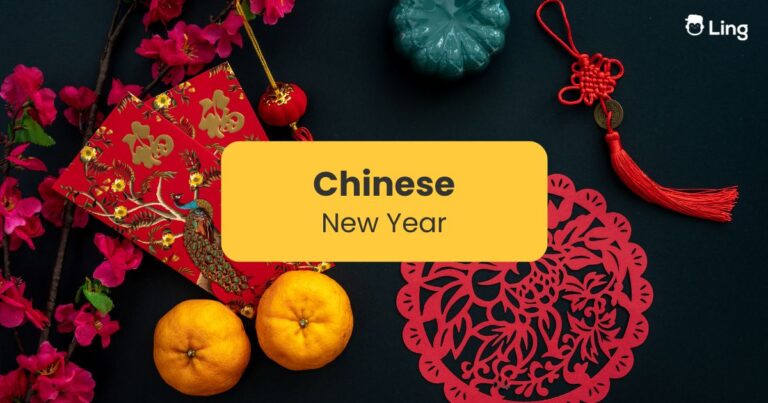


The spectacular Chinese Lantern Festival or Yuan Xiao Festival (元宵节) is the event everyone looks forward to during the Lunar New Year celebrations across China. I’m talking about a full day of festivities filled with dazzling red lanterns, mouthwatering desserts, fun riddles, and lively performances.
Now, as a self-confessed festival junkie, I make sure to experience this iconic celebration through the four best activities guaranteed to delight the senses. Want the insider’s scoop to fully soak up the Chinese Lantern Festival? Then grab some tangyuan and discover more in this post!
What Is The Chinese Lantern Festival?
The colorful Chinese Lantern Festival typically falls on the 15th day of the first lunar month, marking the very first full moon of the Lunar New Year. If you’ve ever experienced New Year celebrations in China, you’ll know why kids will suddenly become giddy when the occasion comes.

Its name, “Yuan Xiao,” translates to the beginning of the night, but this romantic event gives single ladies rare permission to stay out late. I kid you not: back in ancient times, unmarried women were mostly confined indoors, so this was their yearly opportunity to rock pretty lanterns outdoors alongside potential suitors. Some even dub it the real “Chinese Valentine’s Day”!
Of course, beyond matchmaking fun, the lantern festival carries a deeper cultural meaning:
- It signifies winter’s end and spring’s delightful beginning.
- It brings families closer as they bond over riddles and sweet rice balls.
- Lanterns embody hopes for good fortune in the coming year.
- People pay respects to ancestors and gods through the glow of lanterns.
How To Celebrate The Traditional Chinese Lantern Festival
Evidently, celebrating the Chinese Lantern Festival means lighting and watching the beautiful traditional lanterns, but it also involves eating tangyuan, or glutinous rice balls, watching lion and dragon dances, and even solving riddles.
Lighting And Watching Lanterns
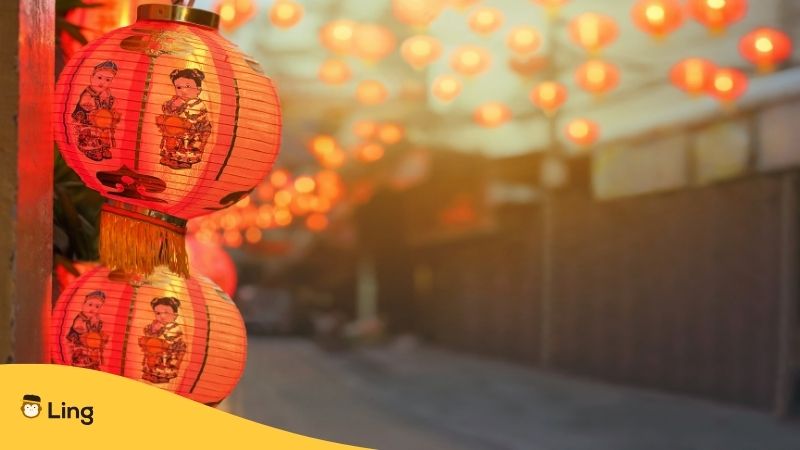
You ain’t seen nothing yet until you’ve witnessed the Chinese lanterns burning bright red during the Lantern Festival! I’m talking glowing lanterns in all shapes and sizes. The streets, parks, malls – everywhere you look – it’s just a sea of crimson red omens ushering in prosperity and smooth sailing.
Lighting up lanterns is easily the main event of this festival. In ancient times, Buddhism was gaining major popularity, so clever emperors lit up lanterns to worship Buddha and impress followers. Over dynasties, the Chinese caught on and made it a yearly tradition to invoke blessings through lanterns.
Nowadays, it’s more about honoring age-old customs and just letting your hair down to marvel at lit structures. We’re talking flowering lotus lanterns, golden koi fish lanterns, peacock lanterns, and larger-than-life panda lanterns! Big lantern fairs like Nanjing and Shanghai’s Yuyuan pull out all the stops with Chinese imagery.
Eating Tangyuan (汤圆) / Yuanxiao (元宵)
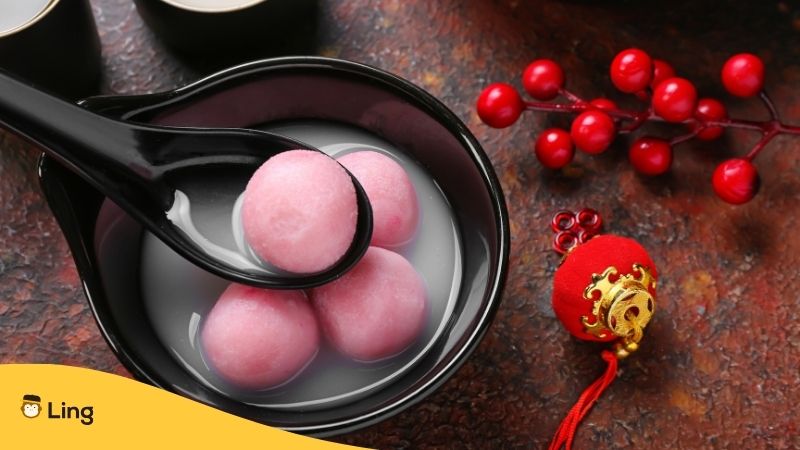
The Lantern Festival is all about steaming baskets of glutinous rice balls floating in sweet soup, which are called tangyuan (汤圆) or yuanxiao (元宵). What’s a proper Chinese festival without iconic nibbles, right?
Tangyuan reflects my favorite aspects of Chinese cuisine: colorful, cute, and bursting with symbolism. The round shape is meant to signify family reunion and completeness. As they sound similar to the word for “reunion,” wolfing down tangyuan with loved ones expresses hopes for future gatherings!
The best part is how every region jazzes up tangyuan to highlight local fruits and flavors. You’ll catch roasted peanuts, black sesame paste, red bean paste, jujube, and dried orange peel stuffed in soft rice skin. Then they get doused in an aromatic ginger or floral osmanthus soup. Simply divine!
Guessing Lantern Riddles
The tradition of solving brain-twisting riddles during the Lantern Festival started hundreds of years ago, when owners would paste witty poetry-style puzzles on lanterns, and folks tried cracking them for gifts. Talk about testing wisdom under fire (or lantern light)!
Now, I ain’t gonna lie, many of these Chinese riddles rhythmically rhyme, so it almost feels like epic lantern rap battles! Crowds go wild for this stuff! The clues embed cultural references, so you gotta be quick-thinking to decipher the connections.
Watching Lion And Dragon Dances
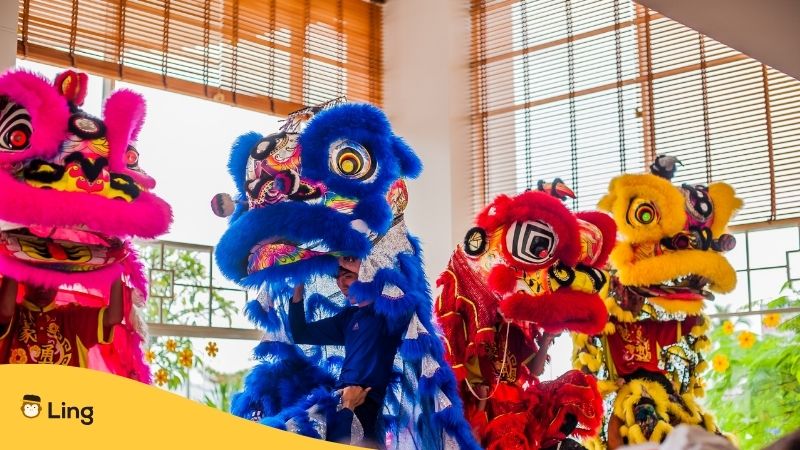
You haven’t fully soaked up the Lantern Festival until you’ve witnessed fiery dragon and lion dances! Decked-out dancers bring these mythical beasts alive, often to booming drums and clashing cymbals.
It’s easily the most heart-thumping entertainment to catch under the glow of lanterns. The hypnotic moves make you feel like you’ve time-traveled centuries back!
Watching their huge bobbing heads, fuzzy furs, and googly eyes, you can totally imagine how old legends of their powers sparked. Add the fact that these costumes require multiple highly coordinated dancers, and you’ve got incredible cultural spectacles that really spark mass merriment!
How Do You Say “Chinese Lantern Festival” In Chinese?
The Lantern Festival is called Yuánxiāo Jié (元宵节) in Chinese.
That’s the most natural and commonly used name in Mandarin. Sometimes you’ll also hear it called Dēng Jié (灯节 – Lantern Festival), but Yuánxiāo Jié is what people use in everyday conversation.
Easy Chinese Lantern Festival Greetings
Ready to light lanterns but also interested in speaking with the locals? No worries, here are helpful Chinese greetings to spread good cheer during the Lantern Festival!
Happy New Year – Xǐnnián Kuàilè (新年快乐)
This all-purpose celebration blessing can’t go wrong during the Lantern Festival. Joyously shout it when receiving red packets or taking group photos!
Peace And Security For Years To Come – Suì Suì Píng Ān (岁岁平安)
As tangyuan symbolizes family unity, use this greeting to wish adopted families or hosts auspicious years ahead.
Perfectly Complete And Round Year – Yuán Xiāo Tiān, Fān Suì Yuán Yuán (元宵天, 范穗圆圆)
Wow locals by smoothly invoking this tongue-twister blessing for a prosperous year without troubles, just like the round tangyuan balls and lanterns everywhere.
Chinese Lantern Festival Vocabulary
If you’re heading out to celebrate the Chinese Lantern Festival, here’s some useful Chinese vocabulary you might want to learn. These are the kinds of words you’ll see on decorations, hear in conversations, and spot on festival banners.
| English | Chinese | Transliteration | Sound |
|---|---|---|---|
| Chinese Lantern Festival | 元宵节 | Yuánxiāo Jié | |
| lantern | 灯笼 | dēnglóng | |
| lantern riddle | 灯谜 | dēngmí | |
| guess riddles | 猜灯谜 | cāi dēngmí | |
| tangyuan (sweet rice balls) | 汤圆 | tāngyuán | |
| full moon | 满月 | mǎnyuè | |
| reunion | 团圆 | tuányuán | |
| dragon dance | 舞龙 | wǔ lóng | |
| lion dance | 舞狮 | wǔ shī | |
| fireworks | 烟花 | yānhuā | |
| celebration | 庆祝 | qìngzhù | |
| blessing | 祝福 | zhùfú | |
| prosperity | 兴旺 | xīngwàng | |
| happiness | 快乐 | kuàilè | |
| spring | 春天 | chūntiān |
Tips For Travelers Celebrating The Chinese Lantern Festival
If you’re planning to experience the Chinese Lantern Festival in China, here are a few practical tips:
- Go early to lantern fairs. Big cities like Shanghai, Xi’an, and Nanjing get seriously crowded at night. Arriving before sunset helps you avoid peak-hour crowds and gives you time to enjoy the lanterns before everything fills up.
- Try fresh tangyuan (汤圆) from a reputable shop. Skip random street stalls and look for established dessert chains or busy local shops. Locals usually buy freshly made ones because the texture is softer and the filling tastes better.
- Join in and try to guess lantern riddles, or cāi dēngmí (猜灯谜). Even if your Mandarin isn’t perfect, people appreciate the effort. It’s normal to ask for hints, and staff usually explain the answers afterward.
- Use public transportation. Roads near major lantern displays are often closed or heavily congested. Locals rely on the metro during festivals because it’s faster and more reliable.
- Dress warmly. The Lantern Festival falls in late winter, and evenings can still be quite cold in most parts of China. So layer up, especially if you plan to stay out late watching performances.
Common Mistakes To Avoid During The Chinese Lantern Festival
Even though the Lantern Festival is all about fun and celebration, there are a few rookie mistakes travelers (and even some locals!) make every year. Here’s what to avoid:
- Confusing it with Chinese New Year’s Eve. The Lantern Festival happens on the 15th day of the first lunar month – it marks the end of the New Year celebrations, not the beginning.
- Calling tangyuan (汤圆) “dumplings.” They’re not jiǎozi (饺子). Tangyuan are sweet glutinous rice balls usually eaten in a light soup, and locals definitely notice the difference.
- Thinking it’s an official “Chinese Valentine’s Day.” While there are romantic legends linked to the festival, modern Chinese people don’t celebrate it as a love holiday. If you mention Valentine’s Day, most locals will think of February 14 instead.
- Letting lanterns fly without checking local rules. In many cities, sky lanterns are restricted or banned due to fire risks. Always check regulations before participating – locals are very aware of safety concerns.
- Arriving too late at major lantern displays. Popular spots get extremely crowded after dinner. Locals know to go early or be prepared for long lines and packed viewing areas.
Frequently Asked Questions About The Chinese Lantern Festival
Why Did The Lantern Festival Start?
The Lantern Festival started over 2,000 years ago during the Han Dynasty. It’s commonly linked to Buddhist traditions of lighting lanterns on the 15th lunar day, and over time it blended with folk customs, seasonal celebrations, and royal ceremonies.
How Long Does The Chinese Festival Last?
The Lantern Festival officially lasts one day. It marks the final day of the Lunar New Year celebrations, although lantern displays in big cities may run for several days.
Which Countries Celebrate The Lantern Festival?
The Lantern Festival is mainly celebrated in China and Taiwan. It’s also observed in places with strong Chinese cultural influence, such as Singapore and Malaysia, especially within Chinese communities.
What Is The Spiritual Meaning Behind The Lantern Festival?
The Lantern Festival symbolizes reunion, renewal, and hope. The full moon represents completeness and family unity, while lanterns traditionally express wishes for good fortune in the coming year.
What Are The Rules For Chinese Lanterns?
There are no universal “religious rules” for Chinese lanterns, but safety regulations are important. In many cities, releasing sky lanterns is restricted or banned due to fire hazards, and locals typically follow official guidelines when participating in lantern activities.
Final Thoughts On The Chinese Lantern Festival
So now you know that the Chinese Lantern Festival isn’t just about pretty lights. You’ve learned how to say Yuánxiāo Jié (元宵节) correctly and why families gather for round bowls of tangyuan (汤圆). This celebration is really about reunion, renewal, and sending good wishes into the new year.
Whether you’re planning to join a lantern fair, try your hand at guessing riddles, or simply impress locals with the right greetings, you’re now fully equipped to celebrate like someone who actually gets it. So go light a lantern, make a wish, and enjoy the glow.
Learn Chinese With Ling!
By now, I think you’re ready for those rice balls, fiery riddles, and dragon dances under the lanterns. And if you also want to pick up some Chinese for travel, try the Ling app!
With 10-minute lessons, it sticks everyday phrases in your head, so you’ll sound like an honorary local in no time. You’ll find native-speaker audio, quick tests and review features like flashcards, dialogs to practice conversations, and points and streaks to keep you motivated.
So don’t wait any longer, start learning Chinese with the Ling app and begin your language journey today!