


If you found your way to this guide, chances are you’ve caught wind of the hype surrounding the Spring Equinox in Japan. And let me tell you, it lives up to it and then some! This celebration holds significance as both an imperial and a spiritual holiday, with festivities giving thanks for the end of cold weather and praying for a bountiful harvest in the warmer months.
So, what exactly goes down at the Spring Equinox celebration in Japan? Well, my friend, prepare your senses for a treat! We’re talking bursts of cherry blossom explosions, tables overflowing with mouthwatering Japanese seasonal delicacies, and new opportunities to speak the Japanese language with the locals! Ready? Let’s begin!

What Is The Spring Equinox In Japan About?
The Spring Equinox celebration in Japan is a national holiday that takes place around the March equinox, when day and night are nearly equal in length. Ancient Japanese calendars marked this astronomical event as the seasonal transition from winter to spring.
Originally, it was called Shunki Koreisai and carried an important meaning in Shinto tradition. But following WWII, the government introduced a new constitution in 1946, separating religion and state. As a result, the equinox was rebranded as the secular national holiday you see today, focused more on welcoming good harvests than religious rituals.
How Is The Vernal Equinox Day In Japan Celebrated?
The Vernal Equinox Day in Japan is celebrated by visiting family graves, honoring ancestors, and welcoming the arrival of spring. Many people clean graves, offer flowers and incense, and spend time with family during this national holiday. The day also reflects the seasonal shift toward longer days and warmer weather. Let’s look at these traditions in more detail.
What Is Higan (彼岸)?
Higan (彼岸) is a Japanese Buddhist observance held during the Spring Equinox that focuses on honoring ancestors and reflecting on the connection between the living and the dead. The observance lasts for about a week and is linked to the Buddhist belief that seasonal transitions make it easier for the spiritual and human worlds to connect.
Higan (彼岸) is also the time when Japanese families visit their ancestors’ graves to clean, tidy, and make small offerings. You’ll see their resting places elaborately decorated with flowers, which may reflect a desire for a good harvest. But the ritual is more about care and remembrance, taking time to honor those who came before amidst nature’s renewal.
What Happens During Shunbun No Hi (春分の日)?
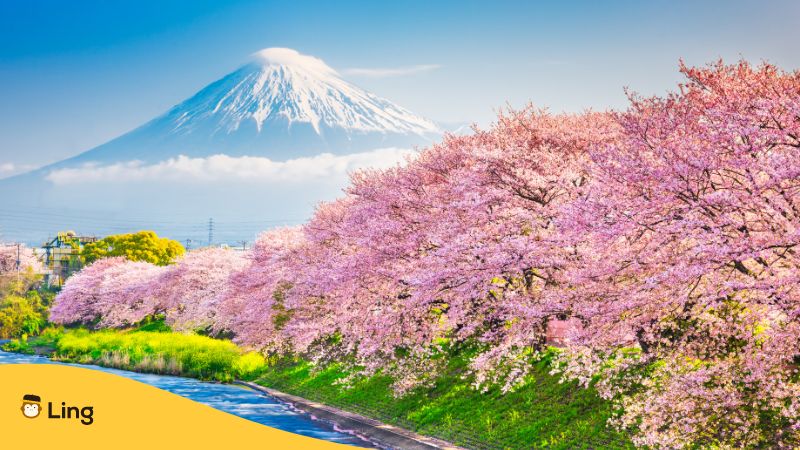
Shunbun no Hi (春分の日) is celebrated with outdoor gatherings, cherry blossom viewing, and seasonal festivities across Japan. Families, friends, and coworkers often spend the day together enjoying spring under blooming cherry trees.
If Higan’s the quiet, introspective side of spring celebrations in Japan, then cue Shunbun no Hi (春分の日) for the flipside party! We’re talking family bonding under blooming cherry trees, office workers cozying up for hanami (花見) picnics, and public festivities galore!
As a visitor, Shunbun no Hi (春分の日) is your access pass into the playful rituals modern Japanese use to embrace each equinoctial turning. Claim your picnic spot early to snag coveted blossom views, browse stalls selling traditional seasonal veggies, and even try your hand at flying a koinobori carp kite or crafting rabbit charms for good fortune!
What Are The Children’s Traditions In Spring?
Children take part in mame maki (豆まき), a bean-throwing ritual during Setsubun (節分), the day before spring begins. Tossing roasted soybeans is believed to drive away evil spirits and invite good fortune for the coming season.
Parents also prepare colorful sushi rice treats for Girl’s Day – Hinamatsuri (雛祭り). These pink and green rice treats celebrate spring and wish for the health and happiness of girls.
Koinobori (鯉のぼり), or carp streamer flags, are displayed outside homes and schools for Children’s Day, Kodomonohi (こどもの日). Their bright colors and carp shape symbolize strength, perseverance, and future success for the child.
Where Can You Experience The Spring Equinox Celebration In Japan?
Now that we’ve covered the historical and cultural context, here are the best spots across Japan to enjoy spring traditions and cherry blossom celebrations.
- Tokyo: We’re talking bustling Yoyogi Park for a picnic, hanging under lush canopies of pink, then wandering side streets as food stalls tempt you with aromas of street eats like yakisoba noodles and Imagawayaki pancakes. Of course, pop-up beer terraces for casual day drinking have that relaxed local feel, too!
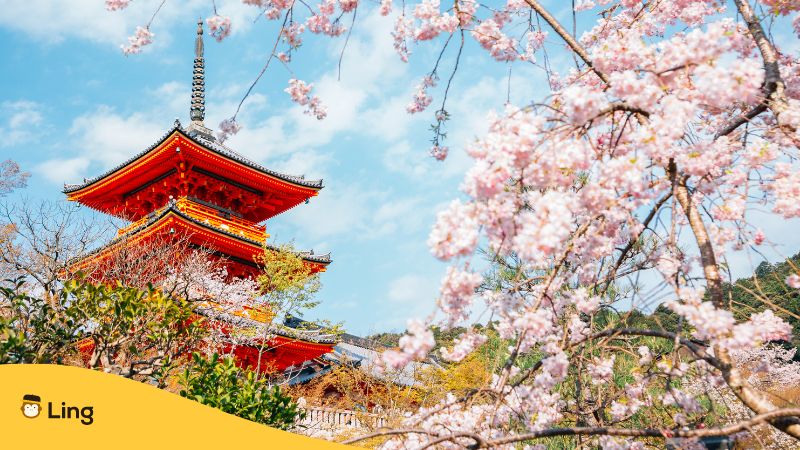
- Kyoto: Stand under bamboo water spouts at Kyoto’s UNESCO World Heritage temples as monk rituals carry through the ages. Then, admire demure ikebana flower arrangements symbolizing the elegant arrival of spring. Finish by strolling the winding garden path to contemplate transient beauty, just like Zen scholars and artists.
- Rural Areas: You can hop a local train out of Osaka up the mountainside to enjoy nature’s canvas, pausing only for perfect Instagram shots. Or head north to the glorious spring scenes of Hirosaki castle grounds blanketed with blossoms.
Japanese Vocabulary Related To The Spring Equinox
Let’s take a look at some vocabulary related to the Spring Equinox in Japanese:
| English | Japanese | Romaji | Sound |
|---|---|---|---|
| Spring | 春 | Haru | |
| Cherry blossom | 桜 | Sakura | |
| Flower viewing | 花見 | Hanami | |
| Carp streamer | 鯉のぼり | Koinobori | |
| Bean throwing | 豆撒き | Mamemaki |
How Do You Say “Spring Equinox” In Japanese?
The Spring Equinox in Japanese is called Shunbun no Hi (春分の日).
Tips For Travelers Visiting Japan During The Spring Equinox
If you’re planning to experience the Spring Equinox celebration in Japan, these tips can help:
- Get there early for the best cherry blossom views: Popular hanami (花見) spots fill up fast during the equinox. Claim your picnic spot early to enjoy the blossoms without the crowds.
- Explore temples during Higan: The Higan (彼岸) period is perfect for a quieter, more reflective side of spring. Visiting temples gives you a glimpse of Japan’s spiritual traditions.
- Pick up a few key Japanese words: Knowing simple terms like hanami (花見), sakura (桜), or koinobori (鯉のぼり) makes it easier to connect with locals and enhances your seasonal experience.
FAQs About The Spring Equinox In Japan
Is The Spring Equinox A Public Holiday In Japan?
Yes. The Spring Equinox Day is a national holiday in Japan.
Do Cherry Blossoms Bloom During The Spring Equinox?
In many regions of Japan, cherry blossom season begins around the same time as the Spring Equinox, which is why hanami parties are common.
What Does “Shunbun” Mean?
“Shunbun” (春分) literally means “spring equinox” in Japanese.
Wrapping Up: The Spring Equinox In Japan
The Spring Equinox in Japan, known as Shunbun no Hi (春分の日), is a celebration blending ancient traditions with modern festivities. People honor their ancestors during Higan (彼岸), enjoy family picnics, and have hanami (花見) under blooming cherry blossoms.
Children participate in mamemaki (豆撒き) bean-throwing games and fly koinobori (鯉のぼり) carp flags, creating a lively, colorful atmosphere throughout the country.
For travelers and language enthusiasts, the Spring Equinox is also a chance to connect with Japanese culture, vocabulary, and seasonal customs that symbolize renewal, balance, and family ties.
Start Learning Japanese With Ling!
When you’ve got cherry blossom explosions heralding warmer days, relaxed locals welcoming spring with food and drink under the sun, plus adorable kids playing age-old games, how could you not feel that sense of renewal right to your core?
Want to level up your Japanese? Download the Ling app and start your 7-day trial to learn Japanese and grasp the rhythms of this beautiful language. Even a few local words will make your equinox adventures richer and more connected. Give Ling a try today!