

Wondering how to describe what someone is wearing or what they look like in Serbian? With words for Serbian colors and appearance, you’ll be able to describe people, clothing, and everyday objects in simple conversations.
In this guide, we’ll go through some specific examples like plave oči (blue eyes), smeđa kosa (brown hair), some adjective rules, and how to use them naturally in conversation, so you can start using them today!

Serbian Colors And Appearance
To learn how to describe appearance in Serbian, we need to first learn some colors like blue – plava and green – zelena, and common Serbian adjectives like beautiful – lep/lepa or tall – visok/visoka.
What Are The Colors In Serbian?
Here is a list of the most common colors and their names in Serbian:
| English | Serbian (Cyrillic) | Serbian (Latin) | Sound |
|---|---|---|---|
| Black | Црна | Crna | |
| White | Бела | Bela | |
| Red | Црвена | Crvena | |
| Blue | Плава | Plava | |
| Green | Зелена | Zelena | |
| Yellow | Жута | Žuta | |
| Gray | Сива | Siva | |
| Brown | Браон / Смеђа | Braon / Smeđa | |
| Purple | Љубичаста | Ljubičasta | |
| Orange | Наранџаста | Narandžasta | |
| Pink | Розе / Ружичаста | Roze / Ružičasta | |
| Beige | Беж | Bež | |
| Gold | Златна | Zlatna | |
| Silver | Сребрна | Srebrna |
Which Adjectives Describe Appearance In Serbian?
These are the most common adjectives you can use to describe someone’s appearance in Serbian:
| English | Cyrillic (Masculine) | Latin (Masculine) | Sound | Cyrillic (Feminine) | Latin (Feminine) | Sound |
|---|---|---|---|---|---|---|
| Beautiful / Handsome | Леп | Lep | Лепа | Lepa | ||
| Good-looking / Fit | Згодан | Zgodan | Згодна | Zgodna | ||
| Cute / Sweet | Сладак | Sladak | Слатка | Slatka | ||
| Ugly | Ружан | Ružan | Ружна | Ružna | ||
| Attractive | Атрактиван | Atraktivan | Атрактивна | Atraktivna | ||
| Charming | Шармантан | Šarmantan | Шармантна | Šarmantna | ||
| Tall | Висок | Visok | Висока | Visoka | ||
| Short | Низак | Nizak | Низка | Nizka | ||
| Average height | Средње висине | Srednje visine | Средње висине | Srednje visine | ||
| Slim / Slender | Витак | Vitak | Витка | Vitka | ||
| Thin | Мршав | Mršav | Мршава | Mršava | ||
| Plump / Overweight | Пунији | Puniji | Пунија | Punija | ||
| Strong | Јак | Jak | Јака | Jaka | ||
| Muscular | Мишићав | Mišićav | Мишићава | Mišićava |

How To Describe Appearance In Serbian
To learn how to describe appearance in Serbian, you must first know how Serbian adjectives work.
Serbian adjectives change depending on the gender, number, and case. Simply put, this means the ending of the adjective will be different to match whether the noun is masculine, feminine, neuter, or plural. Beginners should first focus on the nominative case. Here are some simple examples with red (crvena):
- Red car – Црвен аутомобил – Crven automobil (masculine)
- Red cars – Црвени аутомобили – Crveni automobili (masculine plural)
- Red apple – Црвена јабука – Crvena jabuka (feminine)
- Red apples – Црвене јабуке – Crvene jabuke (feminine plural)
- Red heart – Црвено срце – Crveno srce (neuter)
- Red hearts – Црвена срца – Crvena srca (neuter plural)
Once you understand this, you can describe people using the Serbian verbs to be (biti) and to have (imati):
- She/he is – Она/он је – Ona/on je (for things like how tall or strong someone is and how they look)
- She/he has – Она/он има – Ona/on ima (for things like their hair, eyes, or other parts of their look)
For example:
- She is tall and beautiful – Она је висока и лепа – Ona je visoka i lepa
- He is muscular and good-looking – Он је мишићав и згодан – On je mišićav i zgodan
- She has brown hair and blue eyes – Она има смеђу косу и плаве очи – Ona ima smeđu kosu i plave oči
- He has short hair and green eyes – Он има кратку косу и зелене очи – On ima kratku kosu i zelene oči
To describe yourself, also use the verb to be (biti) and to have (imati):
- I am tall – Ја сам висока – Ja sam visoka (feminine)
- I am tall – Ја сам висок – Ja sam visok (masculine)
- I have blond hair – Имам плаву косу – Imam plavu kosu
- I have brown eyes – Имам смеђе очи – Imam smeđe oči
How To Describe Clothes In Serbian
When describing someone’s appearance, you may mention the kind of clothes they are wearing. Here’s a vocabulary list of the most common clothing items in Serbian combined with different color words:
| English | Cyrillic | Latin | Sound |
|---|---|---|---|
| Green pants | Зелене панталоне | Zelene pantalone | |
| Yellow scarf | Жути шал | Žuti šal | |
| Gray sweater | Сив џемпер | Siv džemper | |
| Pink dress | Ружичаста хаљина | Ružičasta haljina | |
| Orange bag | Наранџаста торба | Narandžasta torba | |
| Purple skirt | Љубичаста сукња | Ljubičasta suknja | |
| Blue jacket | Плава јакна | Plava jakna | |
| Red shirt | Црвена кошуља | Crvena košulja | |
| White shoes | Беле ципеле | Bele cipele | |
| Yellow hat | Жута капа | Žuta kapa | |
| Brown coat | Браон капут | Braon kaput |
To describe what someone is wearing in Serbian, you use the verb to wear (nositi), or simply combine the verb to have (imati) with the clothing and color words.
- She is wearing a red dress – Она носи црвену хаљину – Ona nosi crvenu haljinu
- He is wearing a black coat – Он носи црни капут – On nosi crni kaput
- She has a blue hat – Она има плаву капу – Ona ima plavu kapu

How Do You Say “Colors And Appearance” In Serbian?
The word for “colors” in Serbian is боје – boje.
One “color” is боја – boja.
The word for “appearance” is изглед – izgled.
You can use these words in simple sentences like:
- What’s your favorite color? – Која је твоја омиљена боја? – Koja je tvoja omiljena boja?
- I like your appearance! – Свиђа ми се твој изглед! – Sviđa mi se tvoj izgled!
Tips And Mistakes To Avoid When Describing Something In Serbian
Watch out for these common pitfalls when learning Serbian colors!
- Plav can mean both blue and blonde. For example, plave oči (blue eyes) refers to the color of the eyes, while plava kosa (blonde hair) describes the color of the hair.
- Smeđ and braon both mean brown, but you should use them in different contexts. Smeđ is usually used for natural features, and braon for objects. For example, you usually say smeđa kosa (brown hair) or smeđe oči (brown eyes), but braon kaput (brown coat) or braon cipele (brown shoes).
- Always match the adjective to the noun. For example, you say crvena haljina (red dress) but crveni kaput (red coat) because the adjective must agree with the noun’s gender.
- Don’t forget about plural endings. For instance, crvena jabuka (red apple) becomes crvene jabuke (red apples).
- Use je for describing someone and ima for features. You say ona je visoka (she is tall) but ona ima plave oči (she has blue eyes).
- According to research, some Serbian color words, like teget for dark blue and bordo for dark red, can also be heard in everyday conversations, but not as often as plava or crvena.
FAQs: Serbian Colors And Appearance
How Do You Call Someone Beautiful In Serbia?
To call someone beautiful in Serbian, you use the adjective lep for a man and lepa for a woman. For example, you can say ti si lepa, which means “you are beautiful.”
How Do You Say Colors In Serbian?
The most common colors (boje) in Serbian are crvena (red), plava (blue), zelena (green), žuta (yellow), crna (black), and bela (white). These words are adjectives, so they change form depending on the gender and number of the noun they describe.
What Is The National Color Of Serbia?
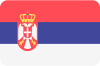
Serbia’s national colors are red, blue, and white. They come from the Serbian flag and are known as the Pan-Slavic colors.
Recap: A Colorful Guide To Describing Appearance In Serbian
You’re now equipped with the knowledge to describe your own or someone else’s appearance in Serbian!
Important Serbian words from this guide you should remember are common colors like crvena (red), plava (blue), and zelena (green), and common adjectives for describing people like lep/lepa (beautiful) or visok/visoka (tall).
Don’t forget that adjectives change depending on the gender and number of the noun, so crvena haljina (red dress) looks different from crveni kaput (red coat).
You can describe people using ona/on je (she/he is) for general traits and ona/on ima (she/he has) for features like hair and eyes.
With these tips and a bit of practice, you’ll feel confident talking about Serbian colors and appearance sooner than you think.
Learn Serbian With Ling!
If you’ve come to the end of this blog, it must mean you’re a devoted language learner. Did you know you can access a full Serbian course on the Ling app?
Ling guides you step by step with real-life conversations, practical vocabulary, and clear grammar taught by native Serbian speakers. You can practice pronunciation, learn useful phrases for everyday life, and discover cultural insights along the way.
With Ling, language learning becomes personal and meaningful. So download the Ling app and start learning Serbian today.